IGNOU BCOC-138- Solved Assignment
Are you looking to download a PDF soft copy of the Solved Assignment BCOC 138 Cost Accounting is the right place for you. This particular Assignment references the syllabus chosen for the subject of Hindi, English, for the Jul 25 – Jan 26, Jul 24 – Jan 25 session. The code for the assignment is BCOC-138 and it is often used by students who are enrolled in the BSC (Honours), IGNOU CBCS Solved Assignments Degree. Once students have paid for the Assignment, they can Instantly Download to their PC, Laptop or Mobile Devices in soft copy as a PDF format. After studying the contents of this Assignment, students will have a better grasp of the subject and will be able to prepare for their upcoming tests.
PLEASE MATCH YOUR ASSIGNMENT QUESTIONS ACCORDING TO YOUR SESSION
IGNOU BCOC-138 (January 2025 – December 2025) Assignment Questions
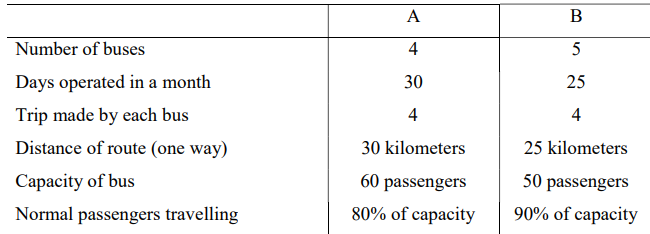
IGNOU BCOC-138 (January 2024 – December 2024) Assignment Questions
Section – A
Q.1 Define ‘Cost Accounting’. State its main objects.
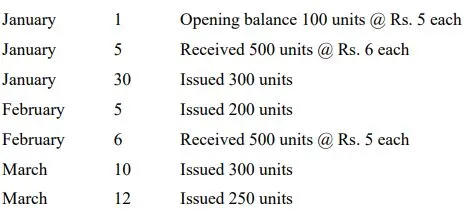
Q.2 From the following transactions, prepare separately the stores ledger accounts using the following pricing methods :
i) FIFO and ii) LIFO
Q.3 What is Labour Turnover? State the major causes of labour turnover.
Q.4 Define Overheads. What are the various methods of classifying overheads. Discuss functional classification.
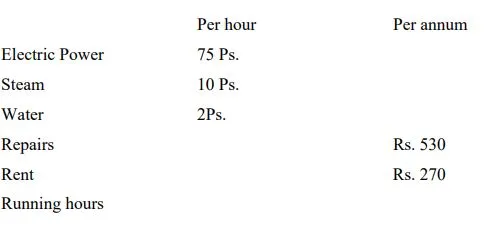
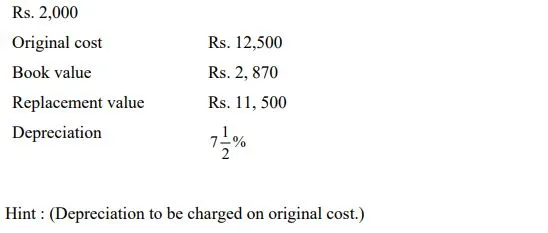
Q.5 Calculate the machine hour rate to recover the overhead expenses given below :
Section – B
Q.6 Explain the different methods of absorption of administrative overheads. Which method would you prefer and why?
Q.7 Define unit costing. Mention the industries to which this method of costing is applicable.
Q.8 Explain the use of a production order and give its specimen.
Q.9 How does contract costing differ from job costing?
Q.10 State the main characteristics of process costing and outline the costing procedure thereof.
Section – C
Q.11 Distinguish between the following:
a) Cost Accounting and Financial Accounting
b) Direct Expenses and Indirect Expenses
c) Centralised Purchasing and Decentralised Purchasing
d) Minimum Stock Level and Maximum Stock Level
Q.12 Write short notes on the following:
a) Cost Sheet
b) Time Keeping
c) Job Costing
d) Service Costing
IGNOU BCOC-138 (January 2025 – December 2025) Assignment Questions
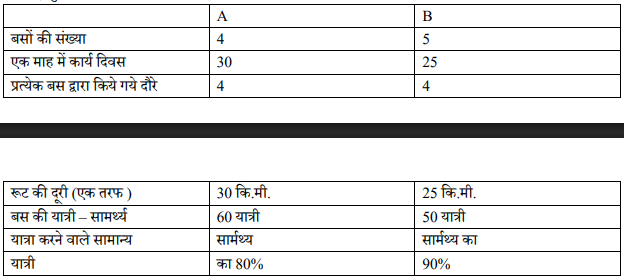
IGNOU BCOC-138 (January 2024 – December 2024) Assignment Questions
खण्ड – क
1. लागत लेखांकन की परिभाषा दीजिये । इसके मुख्य उद्देश्य बताइए ।
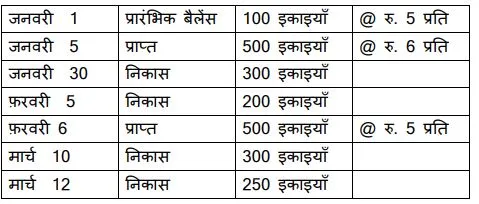
2. निम्नलिखित लेन-देन के आधार पर दो पद्धतियों i) FIFO और ii) LIFO का इस्तेमाल करते हुये पृथक भण्डारण लेखा खाते तैयार करिये।
3. श्रमिक आवर्त (Labour Turnover) क्या है ? बताएं कि श्रमिक आवर्त के प्रमुख कारण क्या हैं ?
4. उपरिव्यय की परिभाषा दीजिये । उपरिव्ययों के वर्गीकरण करने की विभिन्न विधियाँ क्या हैं ? कार्य अनुसार वर्गीकरण का विवेचन कीजिये ।
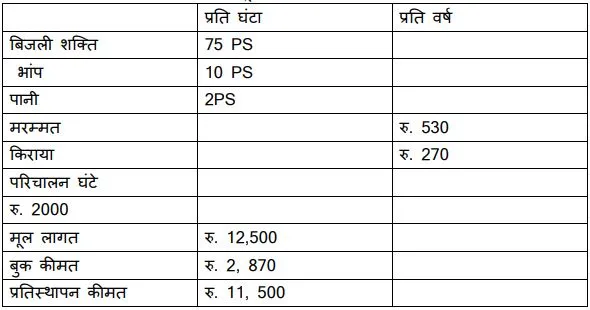
5. नीचे दिए गये उपरिव्यय खर्ची को वसूलने के लिये मशीन घंटा दर की गणना कीजिये ।

खंड – ख
6. प्रशासनिक उपरिव्ययों के अवशोषण की विभिन्न पद्धतियां समझाइये | आप कौन सी पद्धति पसंद करेंगे ? कारण दीजिये ।
7. इकाई लागत निर्माण विधि की परिभाषा दीजिये । वे उद्योग बताइये जिनमें लागत लेखों की इस विधि का प्रयोग किया जाता है ।
8. उत्पादन आदेश के उपयोग का वर्णन कीजिए और उसका नमूना दीजिए ।
9. ठेका लागत निर्धारण विधि उपकार्य लागत निर्धारण विधि से किस प्रकार भिन्न है ?
10. प्रक्रिया लागत निर्धारण विधि की मुख्य विशेषताएं बताइये और इसकी कार्य विधि बताइये।
खंड – ग
11. निम्नलिखित में अंतर स्पष्ट कीजिये:
क) लागत लेखांकन और वित्तीय लेखांकन
ख) प्रत्यक्ष व्यय और अप्रत्यक्ष व्यय
ग) केंद्रीकृत क्रय और विकेंद्रीकृत
घ) न्यूनतम स्टॉक सीमा और अधिकतम स्टॉक सीमा
12. निम्नलिखित पर संक्षिप्त में टिप्पणियाँ लिखिए:
क) लागत विवरण
ख) समय लेखन
ग) जॉब लागत निर्धारण
घ) सेवा लागत निर्धारण
IGNOU BCOC-138 ASSIGNMENTS DETAILS
| University | : | IGNOU (Indira Gandhi National Open University) | |
| Title | : | Cost Accounting | |
| Language(s) | : | English, Hindi | |
| Code | : | BCOC-138 | |
| Degree | : | BCOMF, BCOMG | |
| Subject | : | Finance and Accounting | |
| Course | : | Core Courses (CC) | |
| Author | : | ignouedumart.com Panel | |
| Publisher | : | Distance Gyan Publishing House Pvt. Ltd. |
Call us: +91 9466323363




Reviews
There are no reviews yet.